
Precision Construction and Maintenance Expertise
Blake’s Facility Maintenance of Philadelphia delivers comprehensive solutions that integrate meticulous planning, high-caliber materials, and rigorously tested methodologies to optimize structural performance and reliability.
By implementing evidence-based practices and continuously monitoring project milestones, the organization facilitates on-time delivery while maintaining strict compliance with industry regulations and safety standards.
Services we offer
-
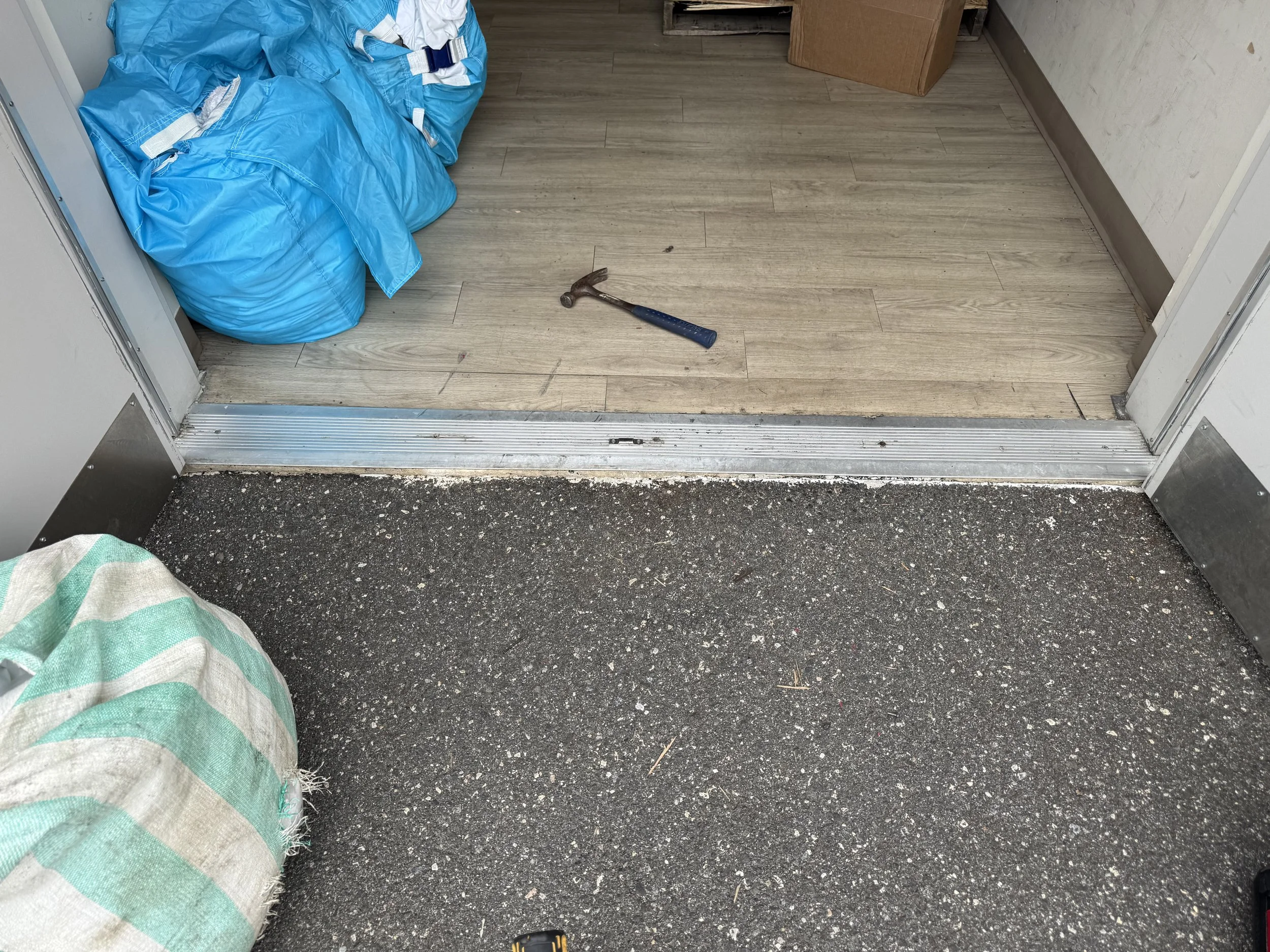
![Commercial door repair]()
Maintenance
Building maintenance is the ongoing process of keeping a facility safe, clean, and functional through routine inspections, repairs, and system upkeep. Key duties include managing electrical and plumbing systems, servicing heating and cooling units (HVAC), and handling structural repairs.
Core Responsibilities
Systems Upkeep: Servicing HVAC units, testing electrical panels, and clearing plumbing blockages.
Structural Repairs: Patching drywall, fixing doors and windows, and painting.
Safety & Compliance: Checking fire alarms, emergency exits, and local building codes.
Groundskeeping: Maintaining outdoor areas, landscaping, and parking lots.
Types of Maintenance
Preventive Maintenance: Routine checks and cleaning to stop damage before it starts.
Corrective Maintenance: Emergency or fix-on-fail tasks to restore broken items.
If you are writing a specific job posting, contract, or property management plan, tell me the type of building (residential, commercial, industrial) so I can tailor this description for you.
-
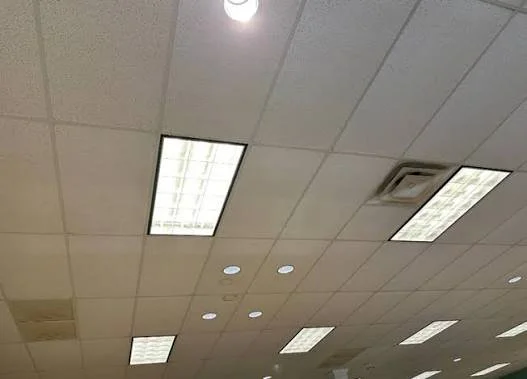
![Commercial led ceiling light replacement]()
Electrical
Electrical maintenance is the routine inspection, testing, and servicing of electrical systems and equipment. Its primary goal is to ensure safe, efficient operation, prevent unexpected power outages, and reduce the risk of electrical fires by identifying and repairing minor faults before they escalate.
Key Types of Electrical Maintenance
Preventive Maintenance: Scheduled inspections and servicing—such as routine component replacement or cleaning—performed at fixed intervals to prevent failures before they occur.
Predictive Maintenance: Uses data analysis and diagnostic tools (like thermal imaging or insulation resistance testing) to monitor equipment condition and pinpoint when maintenance is necessary.
Corrective Maintenance: Reactive repairs made after a specific component or system has already failed or malfunctioned.
What Technicians Inspect and Service
During a standard electrical maintenance visit, licensed professionals utilize checklists to examine critical infrastructure, including:
Electrical Panels: Checking circuit breakers, fuses, and connections for proper operation and signs of heat damage.
Wiring: Inspecting for frayed wires, exposed conductors, and loose connections.
Outlets and Switches: Testing power outlets, fixtures, and switches for faults or electrical shorts.
Protective Devices: Ensuring grounding systems and surge protectors function correctly.
Why It Matters
Regular maintenance maximizes the lifespan of critical equipment, prevents costly operational downtime, and lowers energy wastage. Most importantly, it ensures property compliance with local electrical safety regulations and protects inhabitants from hazardous electrical shocks. To learn more about standard facility protocols, read about the Electrical Maintenance Program Guidelines.
-
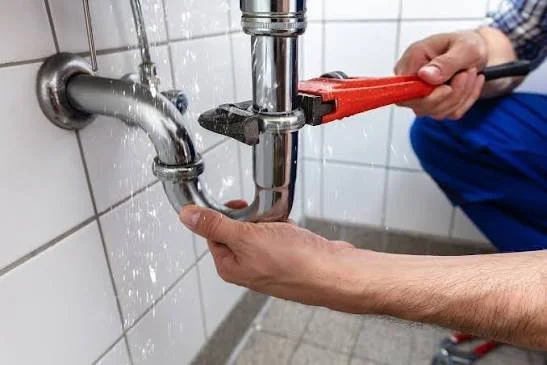
![Retail store plumbing repair in Philadelphia]()
Plumbing
Plumbing maintenance is the routine inspection, cleaning, and servicing of water supply, drainage, and fixture systems. Key tasks include checking for leaks, flushing water heaters, and clearing drains to prevent costly damage.
Core Tasks and Activities
Leak Detection: Inspecting exposed pipes, valves, and under-sink areas for drips, rust, or mineral buildup.
Water Heater Care: Flushing sediment tanks and checking pressure relief valves annually.
Drain Management: Clearing slow-flowing drains and testing traps to prevent major clogs or backups.
Fixture Evaluation: Testing toilet flappers, cleaning aerators on faucets, and verifying shut-off valve mobility.
Objectives and Benefits
Damage Prevention: Stops minor wear from turning into burst pipes or structural water damage.
System Efficiency: Extends the working life of heavy equipment like water heaters and sump pumps.
Cost Reduction: Lowers utility bills by catching silent water leaks and running toilets early.
If you need help setting up a routine, tell me:
Is this for a home or a commercial building?
Are you looking for a DIY checklist or a professional service scope?
I can provide a customized plan.
-
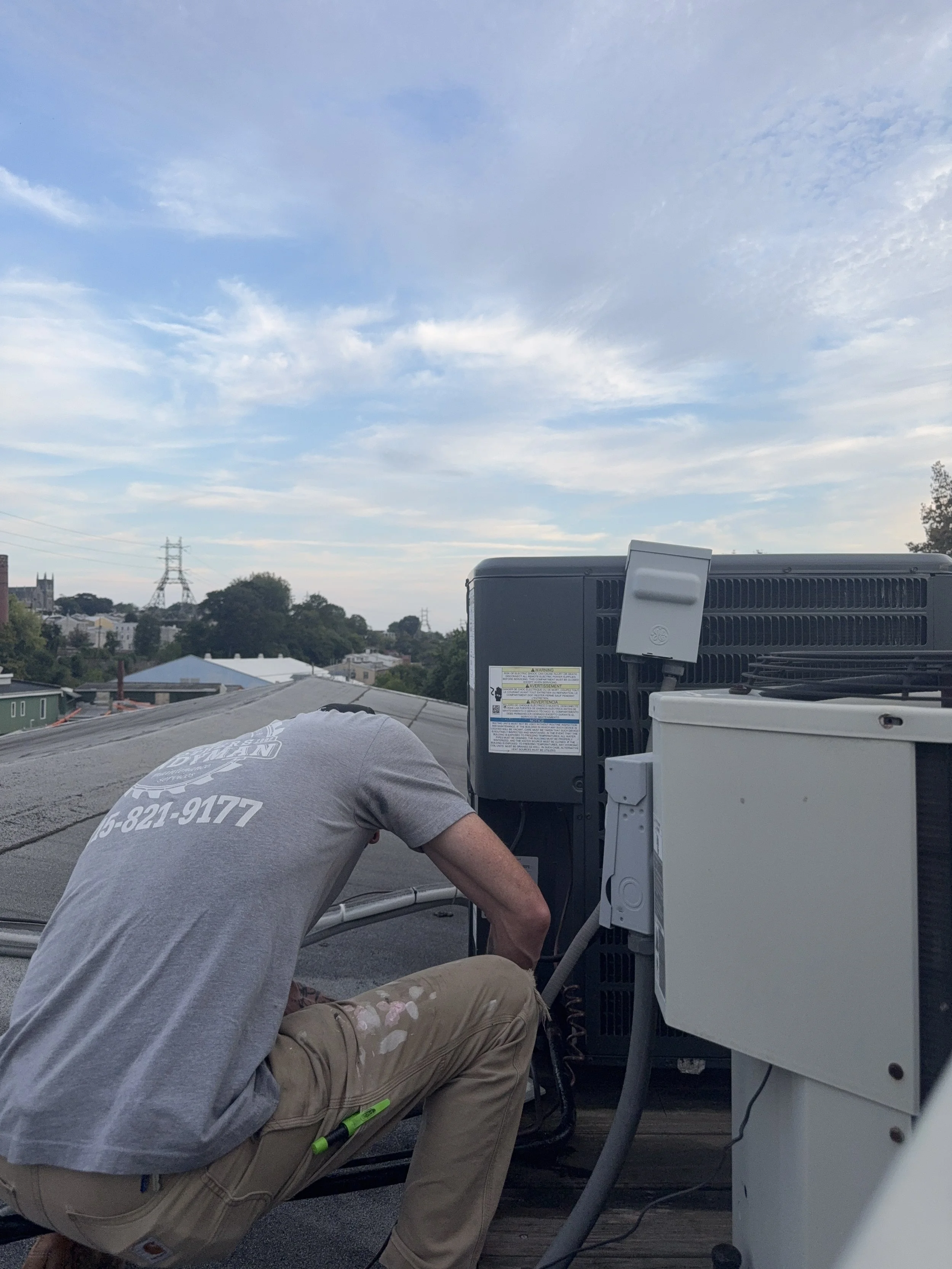
![A worker wearing a gray shirt and beige pants kneels down on a rooftop repairing or maintaining HVAC or electrical equipment, with houses, trees, and power lines visible in the background under a partly cloudy sky.]()
HVAC
HVAC maintenance is the routine inspection, cleaning, and servicing of heating, ventilation, and air conditioning systems to maximize efficiency, prevent unexpected failures, and extend equipment lifespan. It typically involves seasonal tune-ups costing $150 to $300 annually, split between homeowner upkeep and professional technician visits.
Homeowner Tasks
Air filters: Inspect monthly and replace every 1–3 months to protect airflow.
Outdoor unit: Keep a 2-foot clear zone free of leaves, dirt, and tall grass.
Vents: Vacuum indoor registers and make sure furniture does not block airflow.
Professional Tune-Up Tasks
Coils & drains: Clean evaporator/condenser coils and flush condensate drain lines.
Electrical: Tighten wire connections and test voltage/amp draw on motors and capacitors.
Mechanical: Lubricate moving parts and check refrigerant pressures or gas/oil safety components.
-
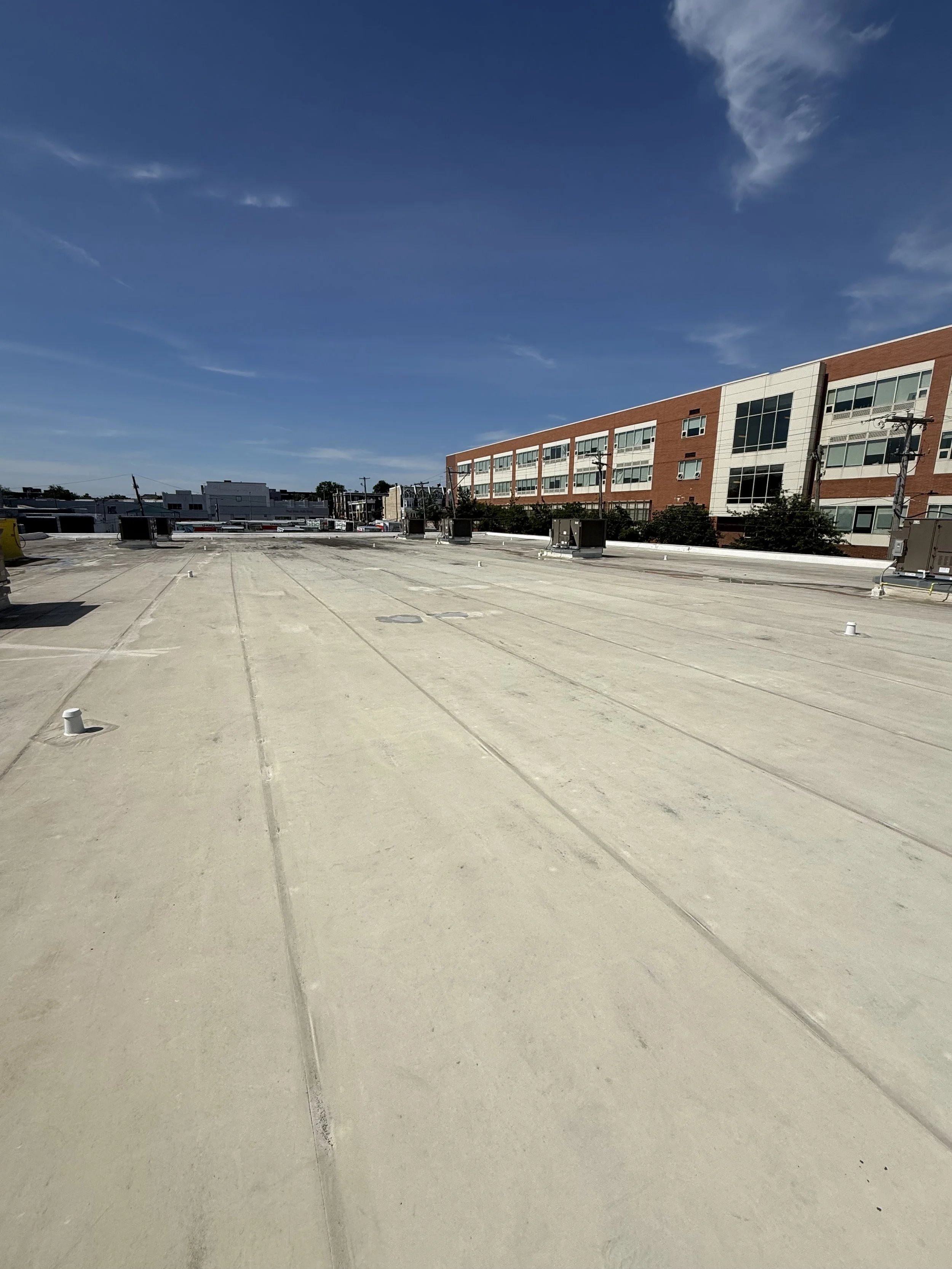
![Flat rooftop with HVAC units, surrounded by buildings and power lines, under a clear blue sky with some clouds.]()
Roofing
Commercial roof maintenance involves scheduled professional inspections, surface cleaning, and proactive repairs to prevent water damage and extend system life. Key tasks include clearing drainage systems, checking membrane and flashing integrity, and sealing minor penetrations.
Inspection and Evaluation
Biannual checks: Schedule reviews twice a year (spring and fall) plus after major storms.
Diagnostics reports: Document membrane cracks, blistering, or loose seams.
Interior check: Look for ceiling water stains or mold growth.
Cleaning and Drainage
Clear blockages: Remove leaves and dirt from gutters, scuppers, and drains.
Prevent ponding: Ensure water drains fully within 48 hours to stop structural sagging.
Surface care: Gently sweep away debris to protect the outer membrane.
Repairs and Upkeep
Sealant updates: Replace cracked caulking around HVAC units, pipes, and skylights.
Flashing care: Secure loose metal edging and repair compromised flashing layers.
Log records: Keep written notes and photos to maintain manufacturer warranties.
Request a Detailed Consultation
Submit the inquiry form to collaborate with a specialist who will design a tailored construction or maintenance strategy aligned with your objectives.